Japan Scraps Single-Pilot Drone Limit, Opening the Door to Commercial Swarm Operations
Japan scraps single-pilot drone restrictions, enabling commercial swarm operations. One pilot can now control multiple drones simultaneously, transforming logistics and infrastructure inspection.
Japan has removed the cap on how many drones a single remote pilot may operate simultaneously, a regulatory shift that companies say could significantly expand commercial drone services and help address the country’s labour shortages.
The rule change, reported on 30 October 2026, is expected to benefit industries including rural logistics and infrastructure inspection, where demand for drone operations has outpaced the supply of qualified pilots. Previously, operators were restricted in the number of aircraft one pilot could control at any given time; that ceiling has now been lifted.
Filling gaps left by labour shortages
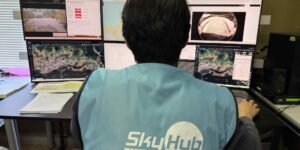
The removal of the simultaneous-operations limit means one remote pilot can monitor the positions and surroundings of multiple drones at once, according to drone technology company Aeronext. The change is seen as particularly relevant to rural and regional areas, where the combination of ageing populations, declining workforces and difficult terrain has made conventional logistics and inspection work increasingly costly or impractical.
Companies operating in those segments said the new rules would allow them to scale up services without a proportional increase in pilot headcount, reducing one of the principal constraints on commercial drone deployment in Japan.
What the rule change means for operators
Under the previous framework, the one-to-one or otherwise capped relationship between pilots and aircraft limited the efficiency and economic viability of drone-based services. By scrapping that restriction, Japanese authorities have aligned the country’s regulations more closely with the operational realities of modern drone technology, which increasingly relies on software to assist a single operator in managing several aircraft.
The sectors most immediately affected are expected to be rural delivery networks and the inspection of infrastructure such as power lines, pipelines and bridges — tasks that require coverage of large areas and have historically been labour-intensive.
Aeronext, which develops drone platform technology, was cited in connection with the development, with the company noting that one remote pilot is now able to monitor the surroundings and positions of multiple drones under the revised rules.
Japan has been progressively expanding its drone regulatory framework in recent years. The country introduced rules permitting beyond-visual-line-of-sight drone flights over populated areas as part of earlier reforms, and the latest change represents a further step in that liberalisation effort.
No specific date was given by officials for when commercial operators are expected to begin scaled-up multi-drone deployments under the new rules.