Japan-Linked Cold-Chain Startups Push Deeper into Malaysia and Vietnam
Japanese cold-chain startups like Secai Marche build refrigerated networks in Malaysia and Vietnam, connecting food producers directly to buyers with demand forecasting.
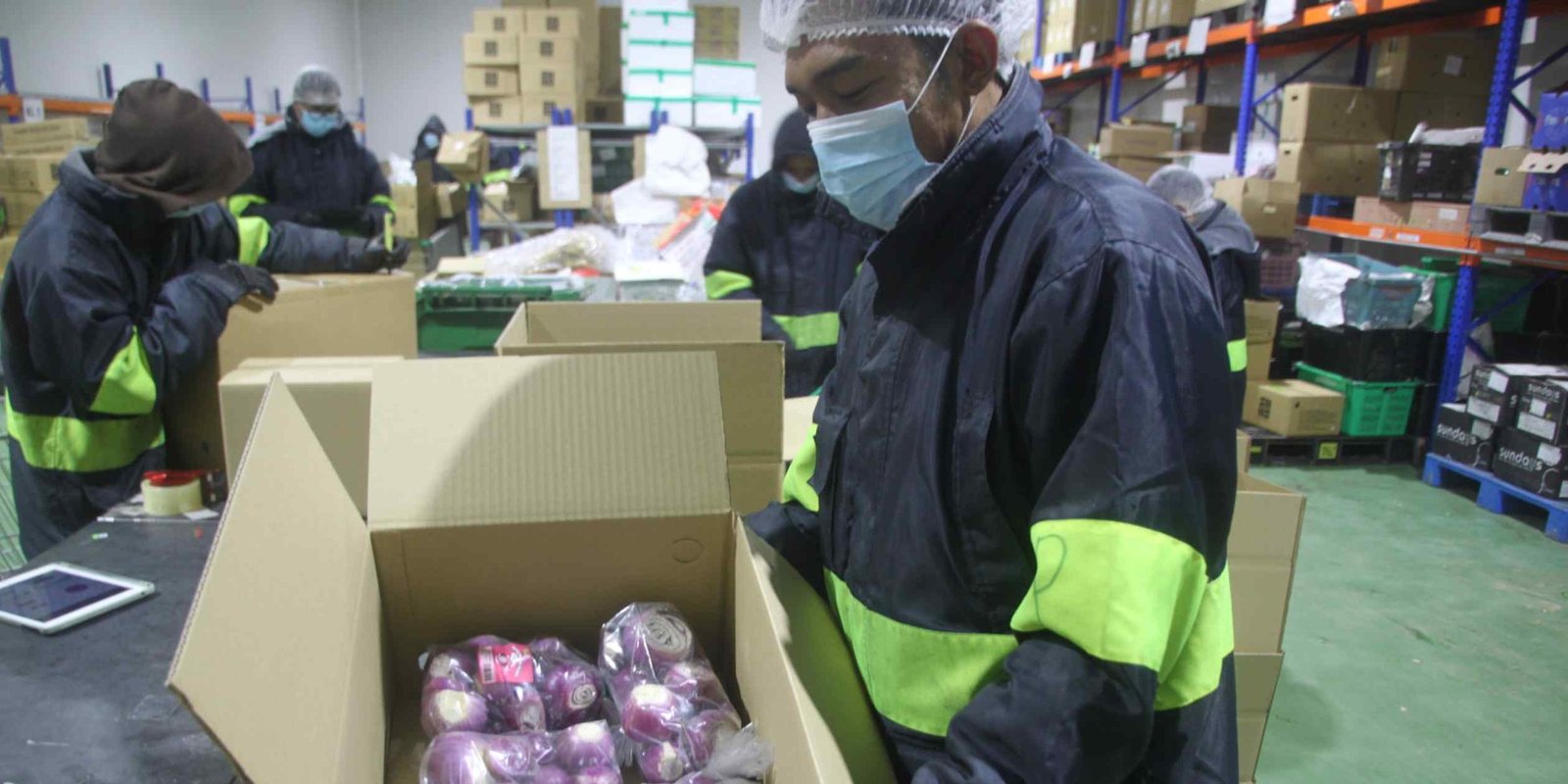
Japan-linked logistics startups are building out refrigerated distribution networks across Southeast Asia, aiming to connect food producers directly with buyers and improve margins in a sector that has drawn interest from major logistics and trading companies. The expansion, reported on 5 November 2026, centres on Malaysia and Vietnam, where companies including Secai Marche are developing farm-to-table supply chains underpinned by demand-forecasting tools.
Warehouses, temperature zones and direct sourcing
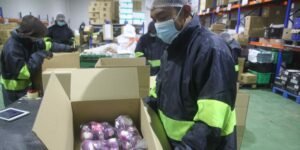
Secai Marche operates warehouses that store food across four distinct temperature zones, allowing the company to handle a range of fresh and chilled products within a single facility. The multi-zone approach is central to the startup’s strategy of sourcing directly from producers and delivering to end customers, cutting out layers of intermediary handling that typically erode margins in fresh-food distribution.
The startups are also deploying demand-forecasting capabilities as part of their cold-chain offering, according to the report. Accurate forecasting is particularly important in fresh-food logistics, where spoilage can quickly eliminate profits if stock levels are misjudged.
Partnership interest from established players
The build-out in Malaysia and Vietnam has attracted partnership interest from larger logistics and trading companies, the report said, without identifying those parties by name. Such interest signals that established players see value in the specialised cold-distribution infrastructure that smaller, Japan-linked operators have assembled in the two markets.
The startups are positioning higher margins as a key rationale for investing in farm-to-table cold chains rather than conventional distribution models, which tend to involve more intermediaries and less temperature control over the full supply journey.
The source article did not provide financial figures, company valuations, specific partnership terms or a timeline for further expansion beyond the activities already under way in Malaysia and Vietnam.